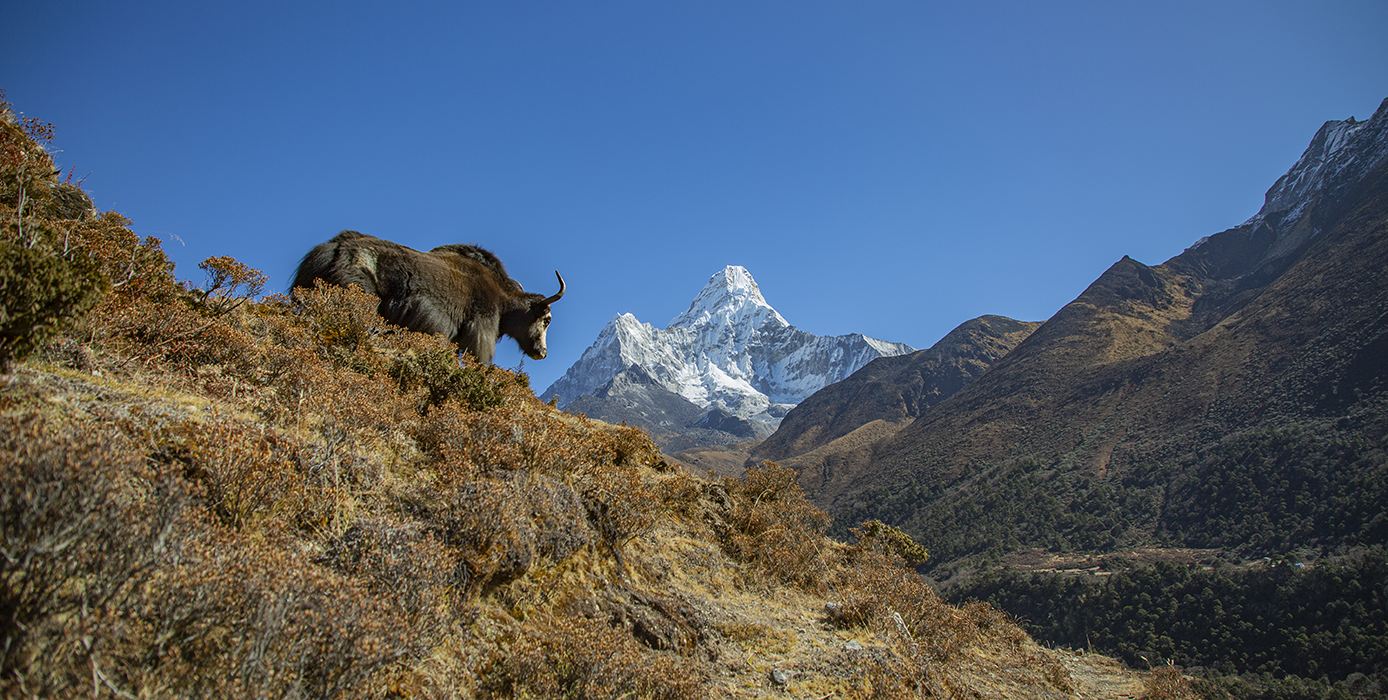
Everest Base Camp Trek
TOUR ITINERARY
A day-by-day breakdown of your journey through Everest Base Camp Trek.
Day 1
Fri, Oct 09, 2026
Arrival in Kathmandu (1,400m)
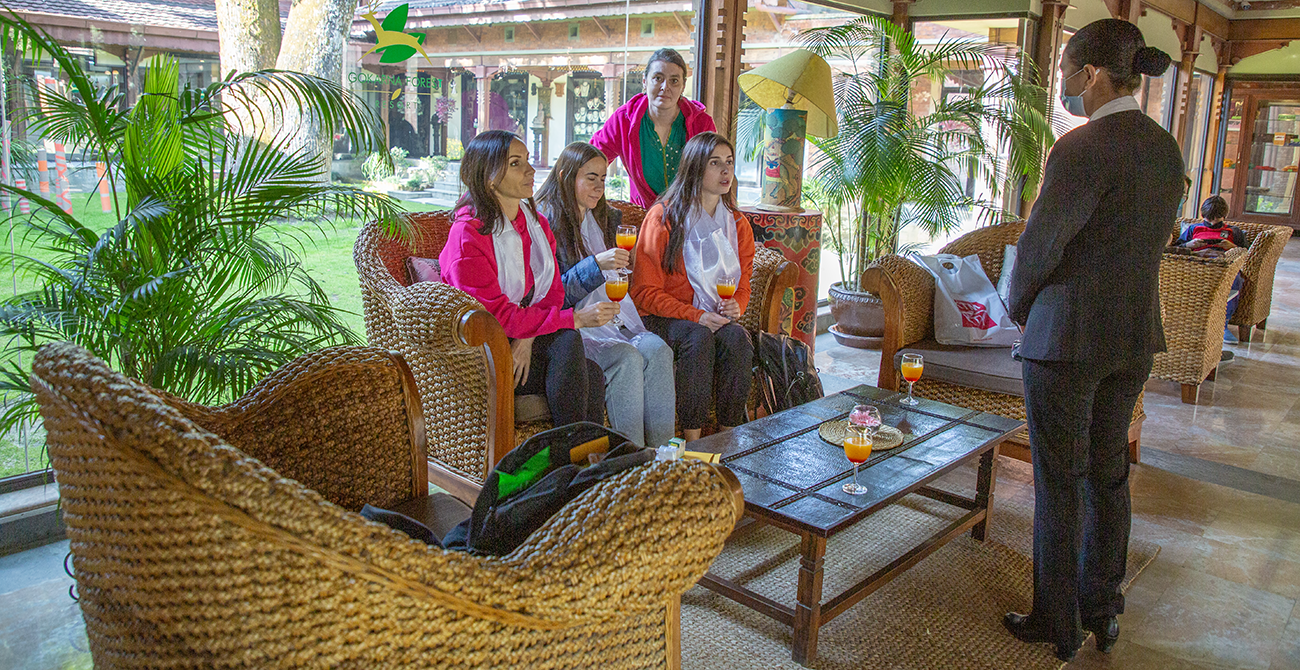
Welcome to Nepal! Upon your arrival at Tribhuvan International Airport, a representative from Himalayan Shangrila will warmly welcome you and transfer you to your hotel in Kathmandu. After checking in, enjoy some time to relax after your journey or explore the vibrant streets of Thamel, Kathmandu's popular tourist district filled with restaurants, cafés, trekking shops, and cultural attractions. In the evening, meet your trekking guide for a comprehensive pre-trip briefing covering the itinerary, weather conditions, equipment checklist, and safety procedures. Overnight stay at a comfortable hotel in Kathmandu.
Day 2
Sat, Oct 10, 2026
Fly to Lukla (2,860m) – Trek to Phakding (2,610m)
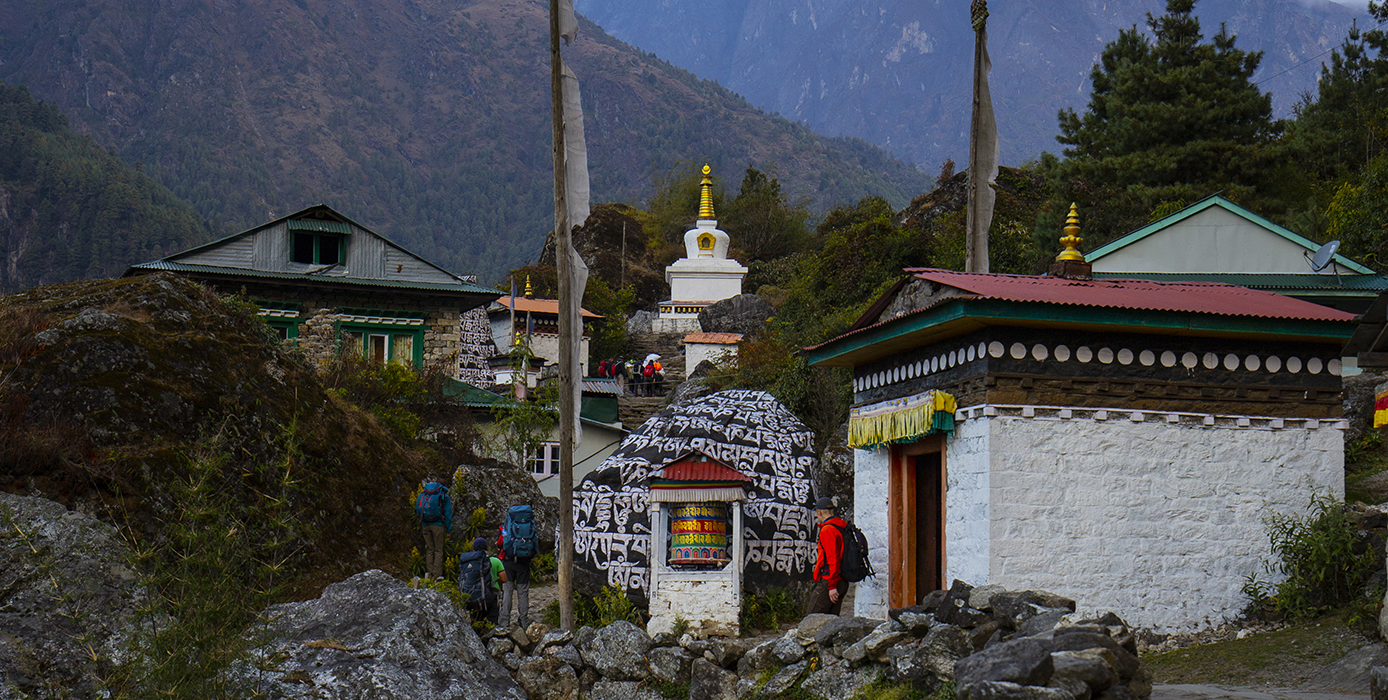
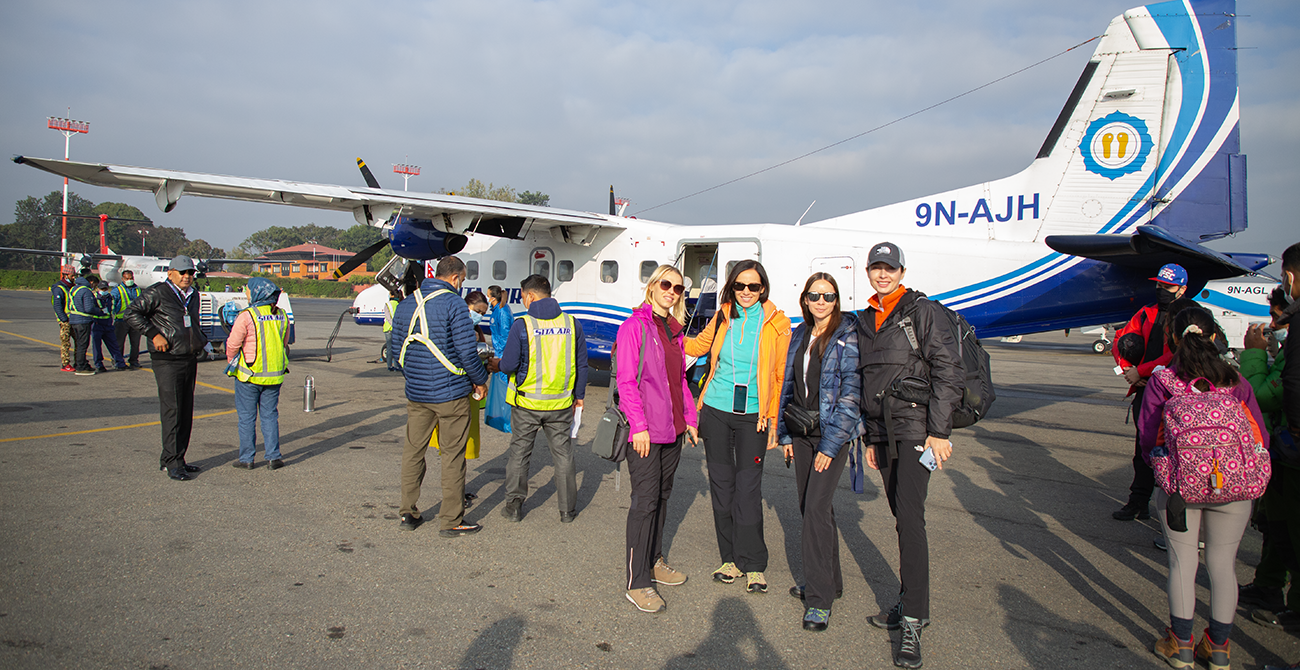
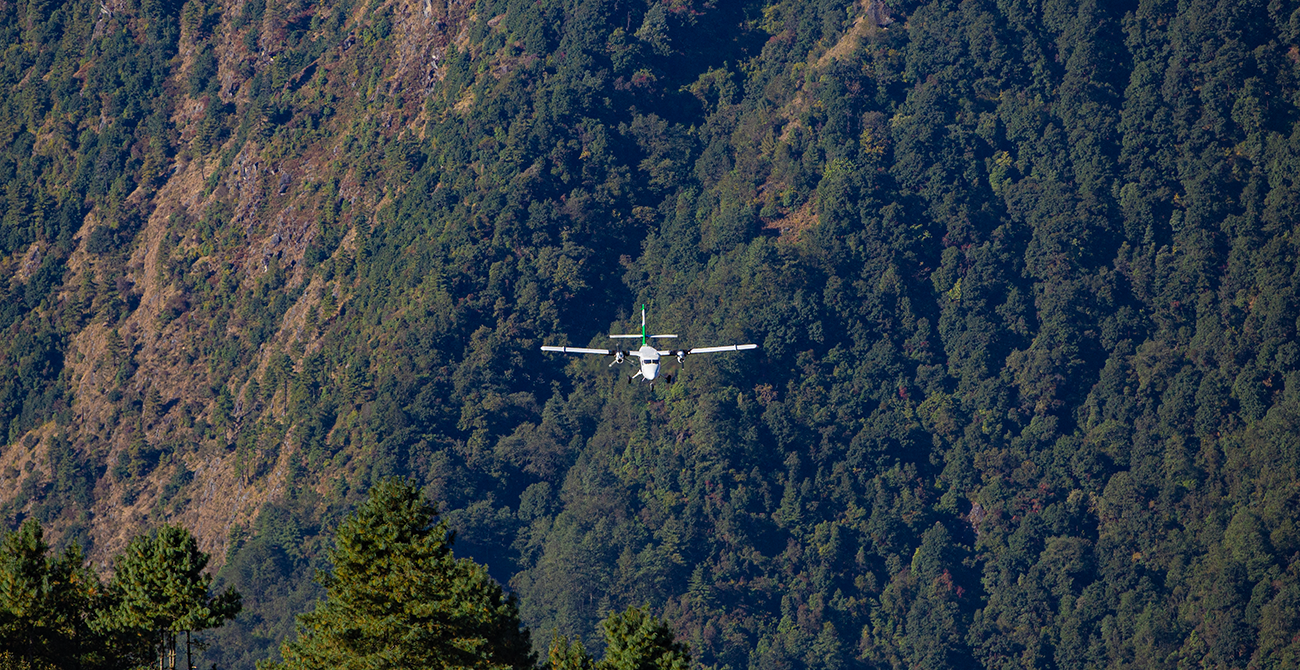
An early morning scenic flight takes you into the heart of the Himalayas, landing at Lukla Airport, one of the world's most exciting mountain airstrips. After meeting the rest of the trekking crew, begin your journey along a gentle trail descending through picturesque Sherpa villages, terraced farmland, and pine forests. Passing prayer wheels, mani stones, and fluttering prayer flags, you follow the Dudh Koshi River toward Phakding. The relatively easy first day's walk allows your body to gradually adjust to the increasing altitude while introducing you to the stunning landscapes of the Everest region. Overnight at a mountain teahouse in Phakding.
Day 3
Sun, Oct 11, 2026
Trek to Namche Bazaar (3,440m)
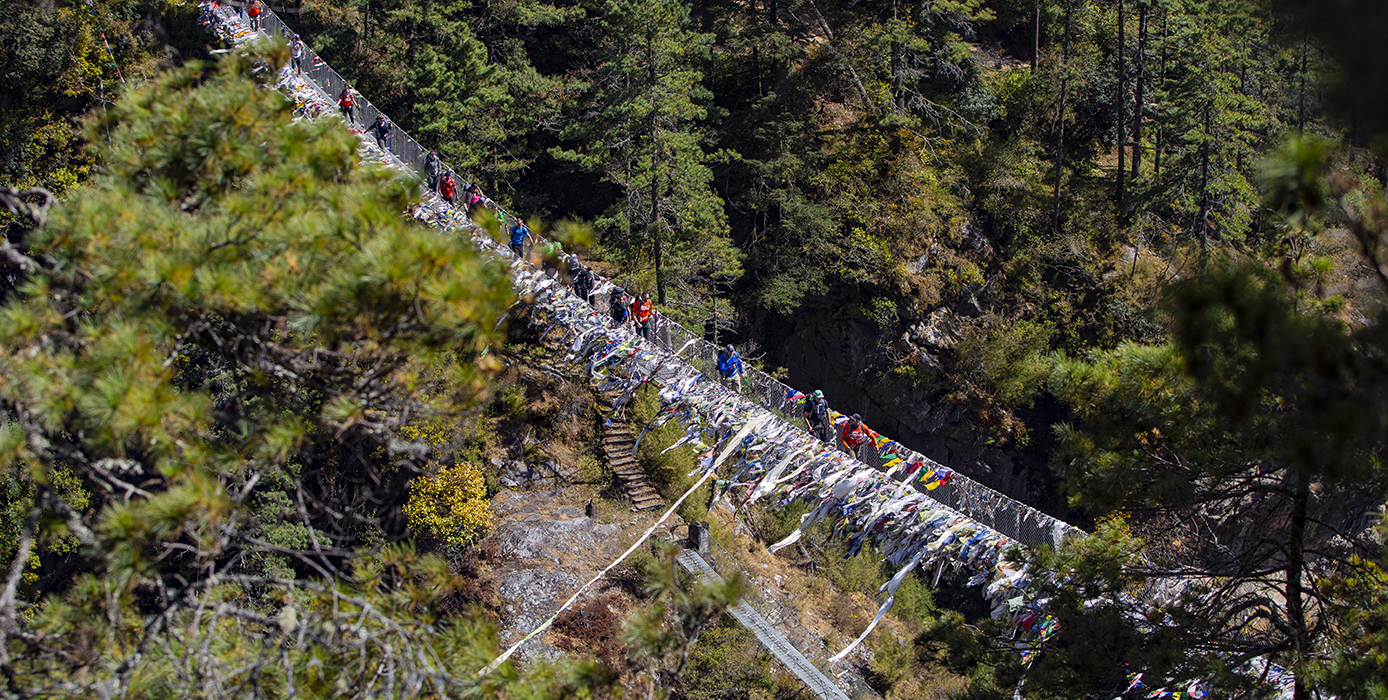
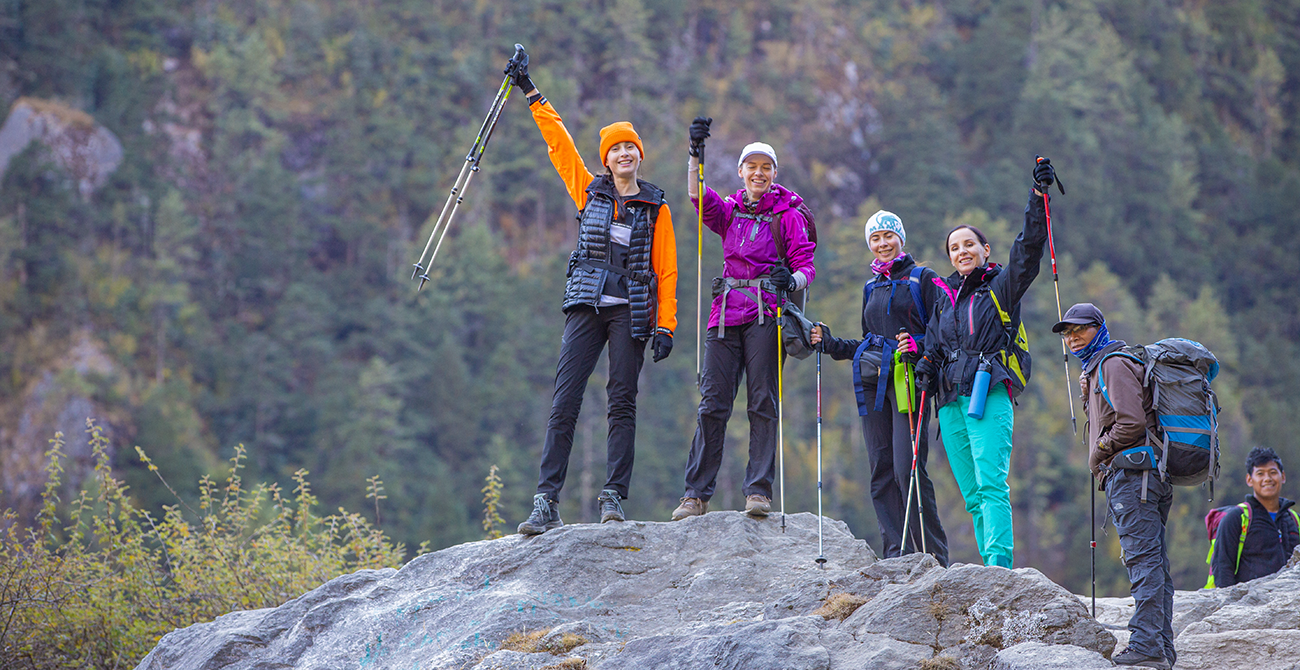
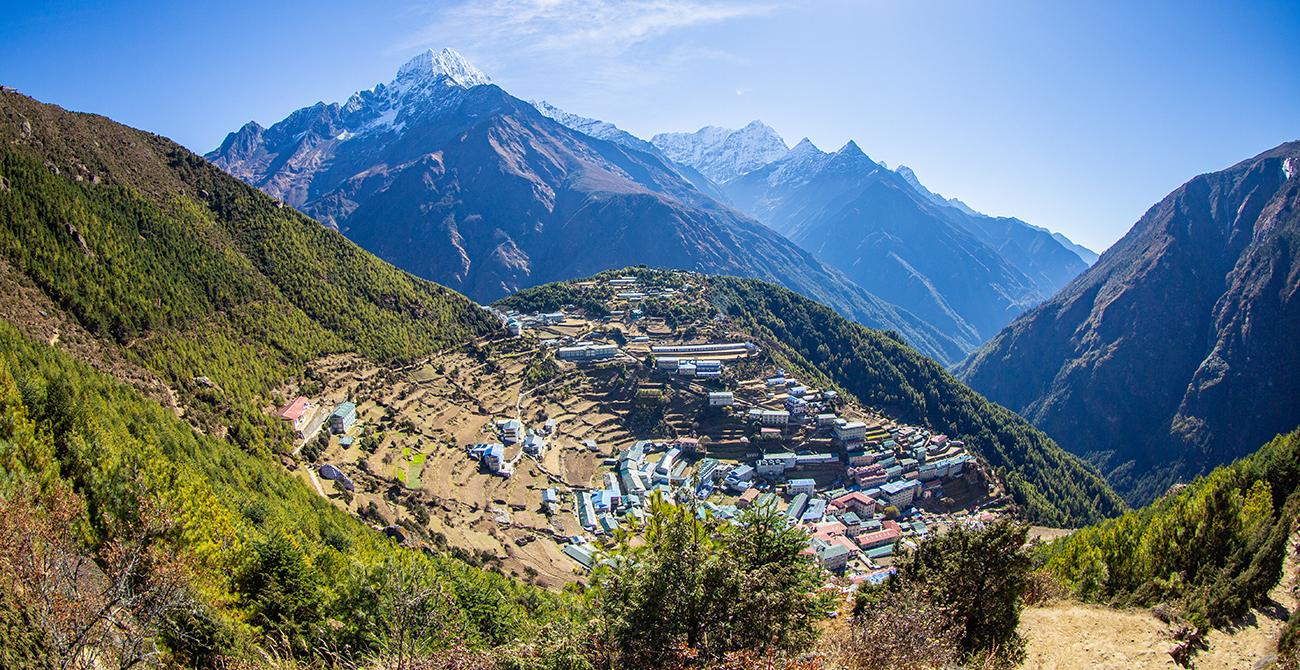
Today's trek follows the Dudh Koshi River through beautiful forests of pine and rhododendron, crossing several famous suspension bridges, including the iconic Hillary Suspension Bridge. After entering Sagarmatha National Park at Monjo, your trekking permits are checked before the trail begins its challenging ascent toward Namche Bazaar. Along the way, weather permitting, you'll catch your first distant glimpse of Mount Everest. After a rewarding climb, arrive at the bustling Sherpa town of Namche Bazaar, surrounded by spectacular Himalayan peaks. This vibrant mountain settlement serves as the commercial and cultural hub of the Khumbu region. Overnight in Namche Bazaar.
Day 4
Mon, Oct 12, 2026
Acclimatization Day in Namche Bazaar
Proper acclimatization is essential for a safe Everest Base Camp Trek. Rather than resting completely, today's strategy is to climb high and sleep low. After breakfast, hike to the renowned Everest View Hotel, one of the world's highest luxury hotels, where breathtaking panoramas of Mount Everest, Ama Dablam, Lhotse, and Thamserku await. You may also visit the Sherpa Culture Museum and the nearby Hillary School. Return to Namche Bazaar in the afternoon, where you can relax in local cafés, browse trekking shops, or simply enjoy the lively atmosphere before continuing higher into the Himalayas.
Day 5
Tue, Oct 13, 2026
Trek to Tengboche (3,860m)
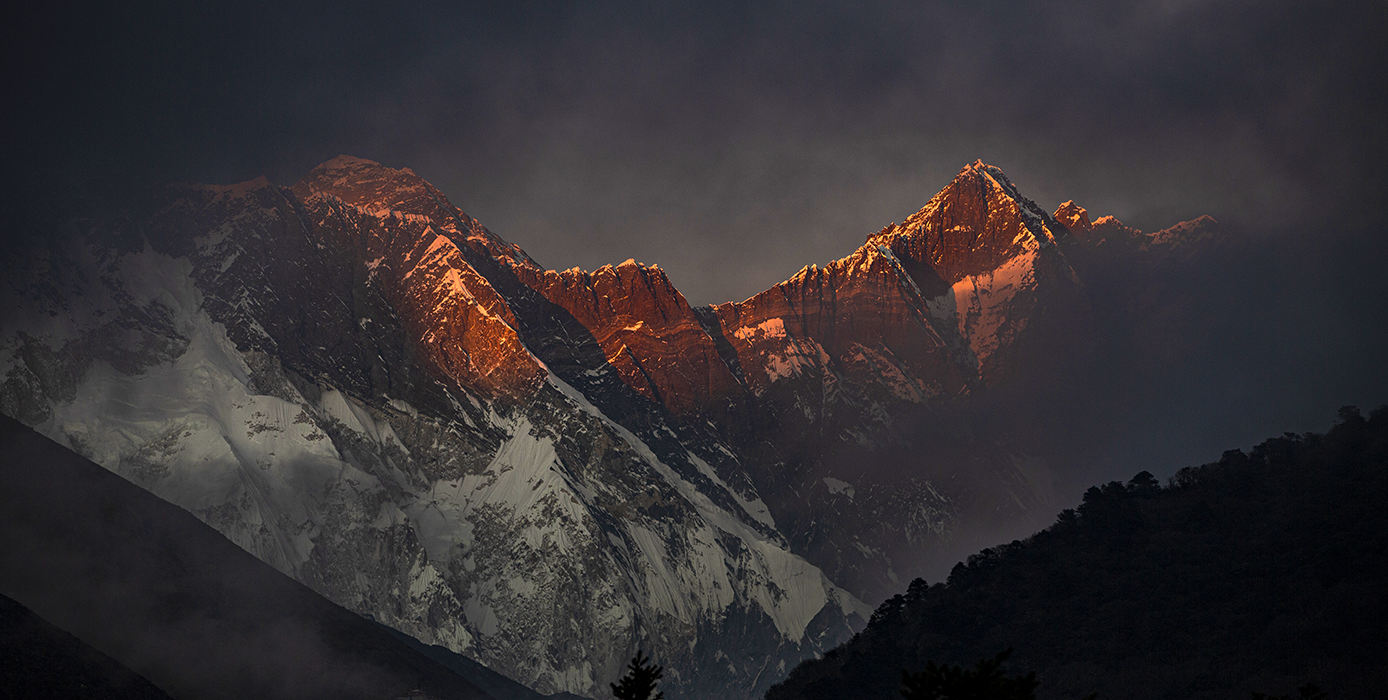
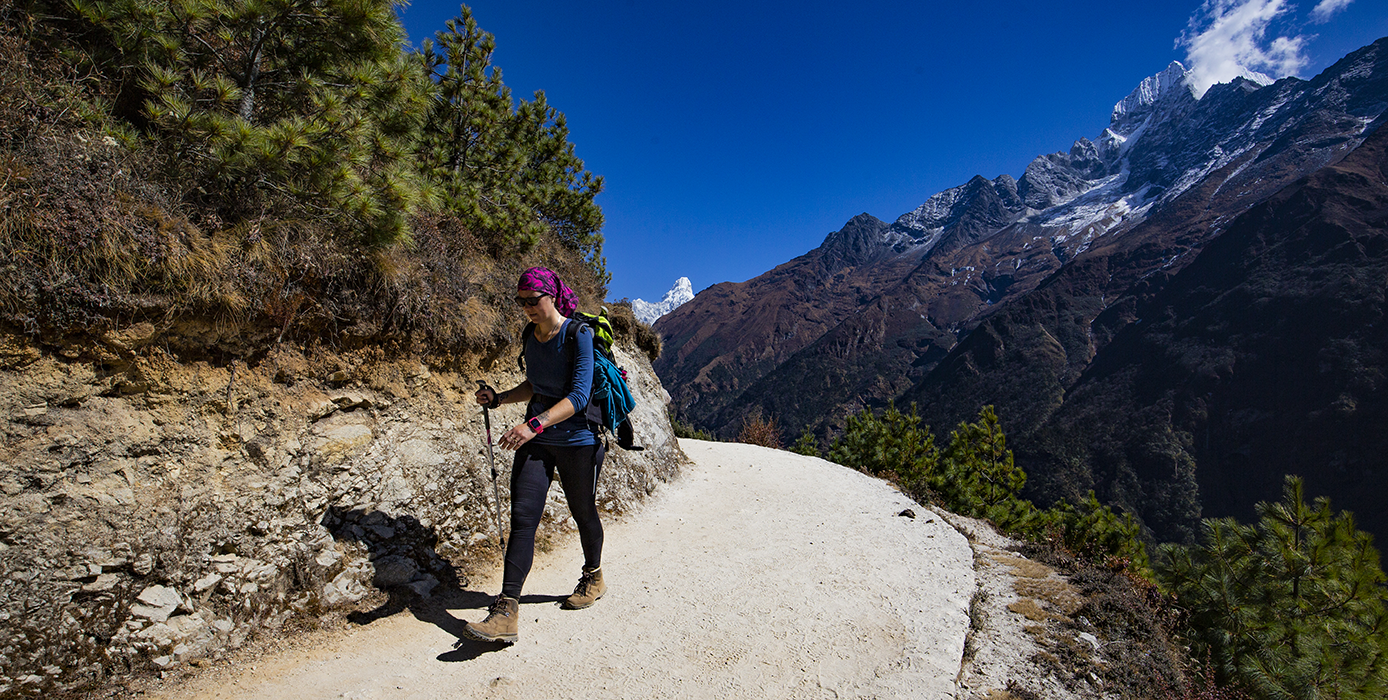
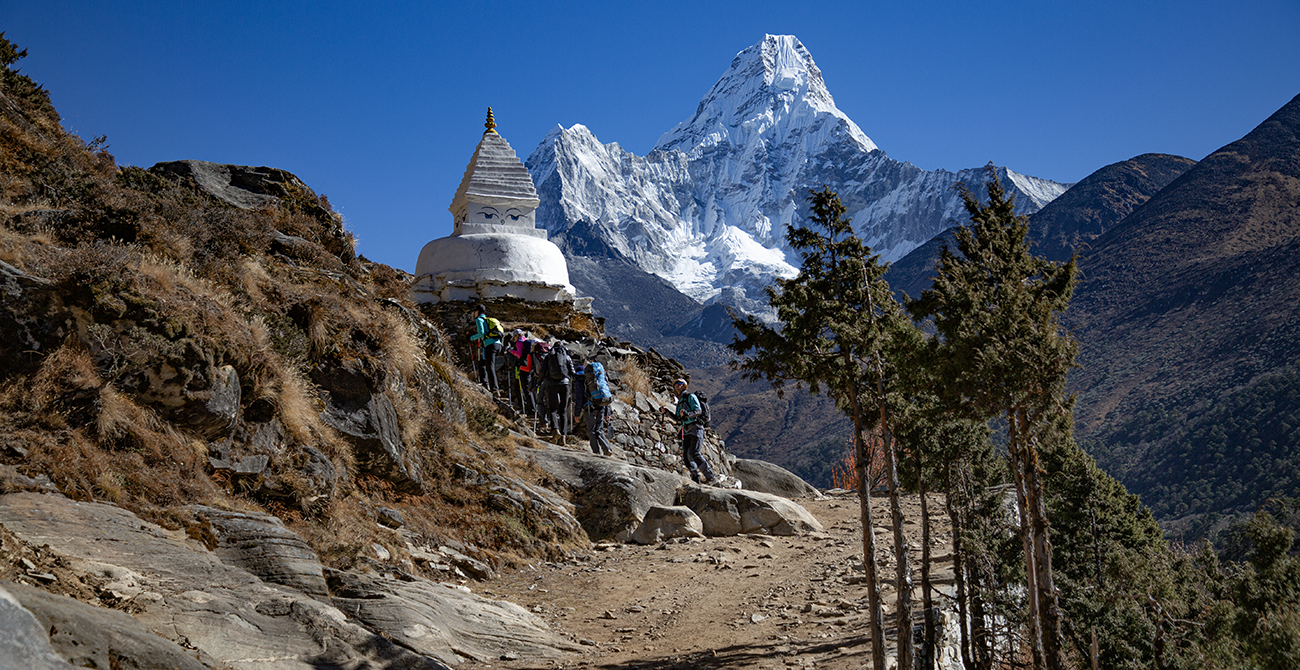
Leaving Namche Bazaar, the trail contours along the mountainside, offering magnificent panoramic views of Everest, Lhotse, Nuptse, and the stunning pyramid-shaped Ama Dablam. After descending to the Dudh Koshi River at Phunki Tenga, enjoy lunch before beginning a steady uphill climb through forests of pine, fir, and rhododendron. Arriving at Tengboche, you'll visit the region's most famous Buddhist monastery, beautifully set against a backdrop of towering Himalayan peaks. If timing permits, witness monks performing traditional evening prayers, creating a peaceful and unforgettable Himalayan experience.
Day 6
Wed, Oct 14, 2026
Trek to Dingboche (4,410m)
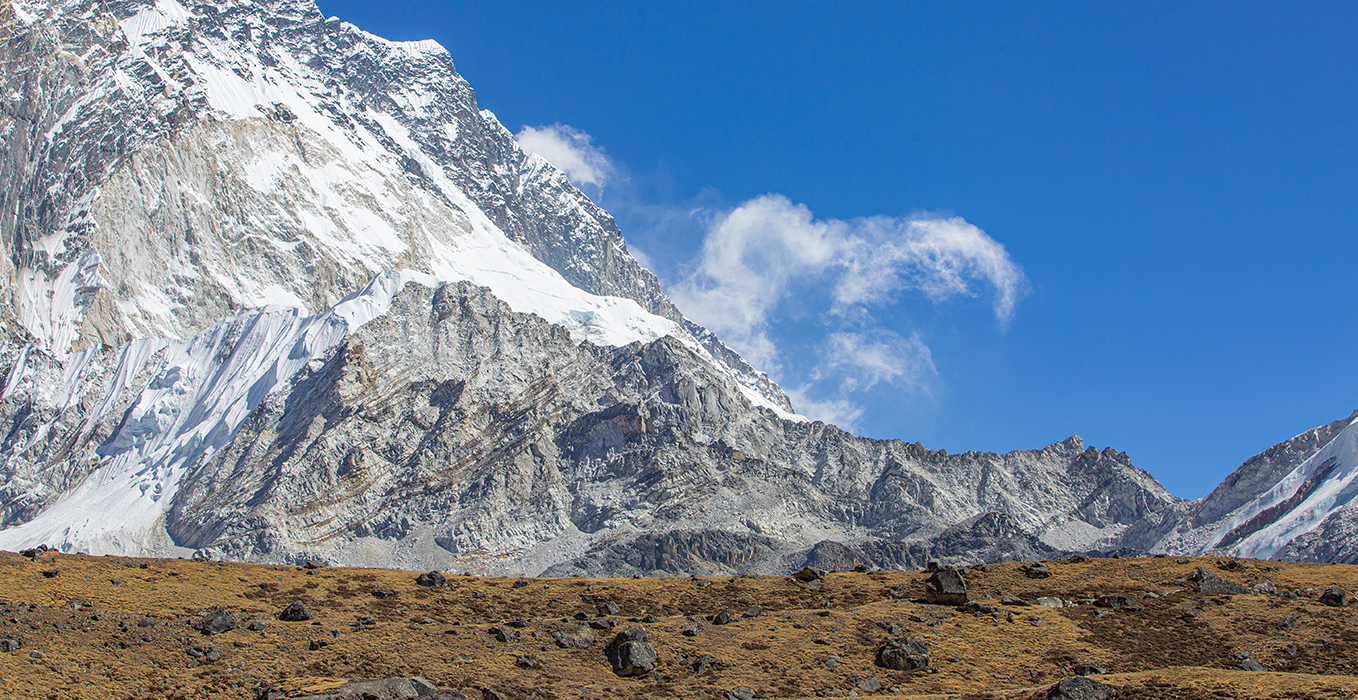
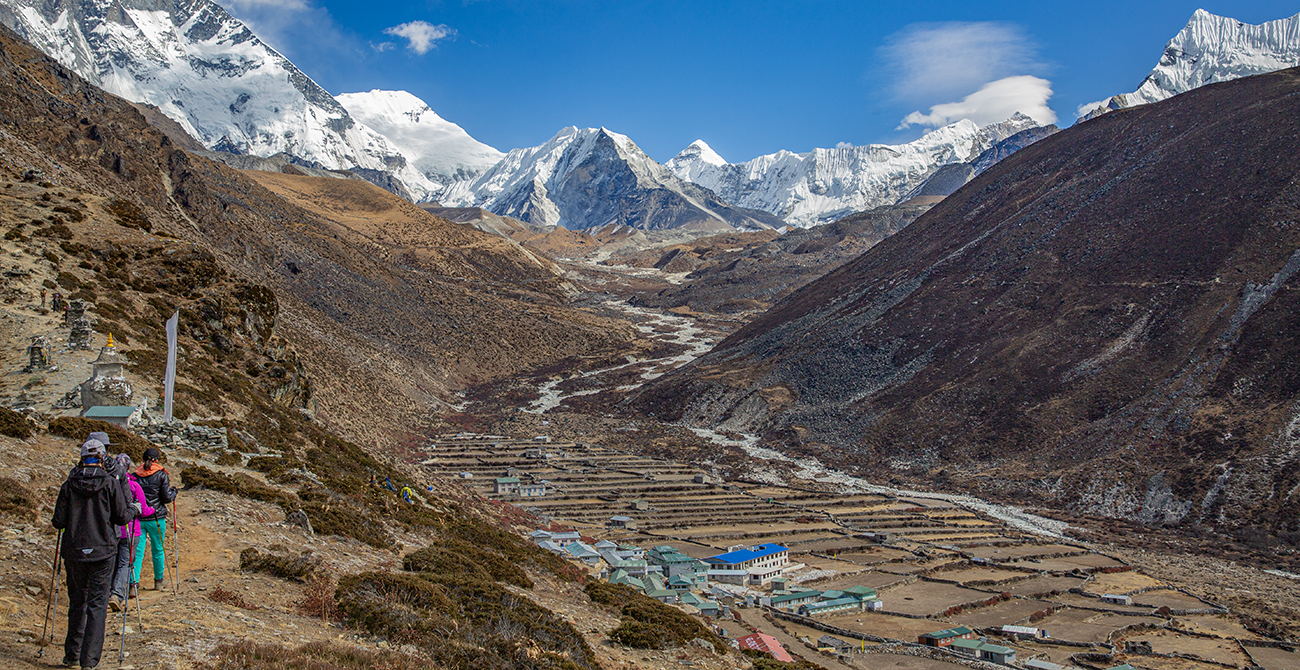
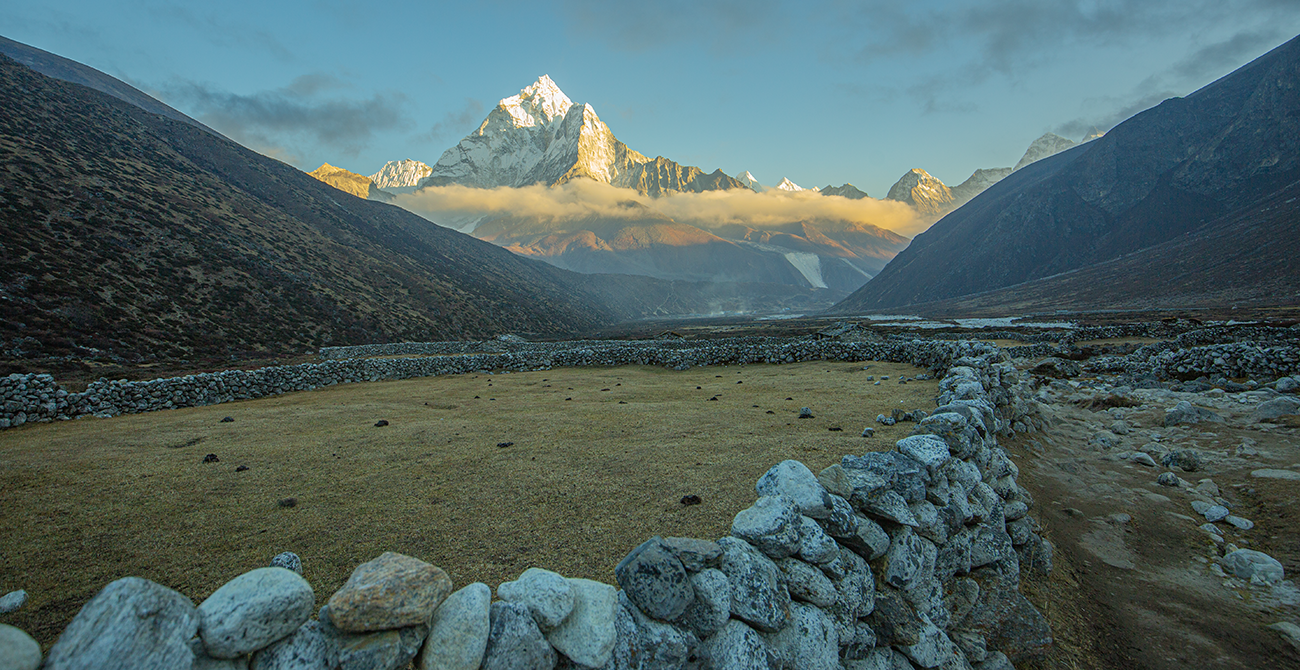
Wake early to enjoy magnificent sunrise views over Ama Dablam before continuing your trek through alpine forests and charming Sherpa villages. Descending to Debuche, the trail crosses the Imja Khola before gradually climbing through Pangboche, one of the oldest Sherpa settlements in the Khumbu. As the landscape becomes more rugged and vegetation sparse, you'll enter the high alpine environment characteristic of the upper Everest region. Passing stone-walled fields that protect crops from strong mountain winds, arrive at Dingboche, a beautiful village surrounded by towering snow-capped peaks. Overnight in Dingboche.
Day 7
Thu, Oct 15, 2026
Acclimatization Day at Dingboche
Today's second acclimatization day plays a vital role in preparing your body for higher elevations. After breakfast, enjoy a rewarding hike to Nangkartshang Hill, one of the best viewpoints in the Khumbu. From the summit, you'll enjoy spectacular panoramic views of Makalu, Lhotse, Ama Dablam, Island Peak, and the surrounding Himalayan ranges. Returning to Dingboche for lunch, spend the afternoon resting, hydrating, and exploring the peaceful village. Your guide will continue monitoring your health while providing advice on altitude awareness and preparation for the higher elevations ahead.
Day 8
Fri, Oct 16, 2026
Trek to Lobuche (4,940m)
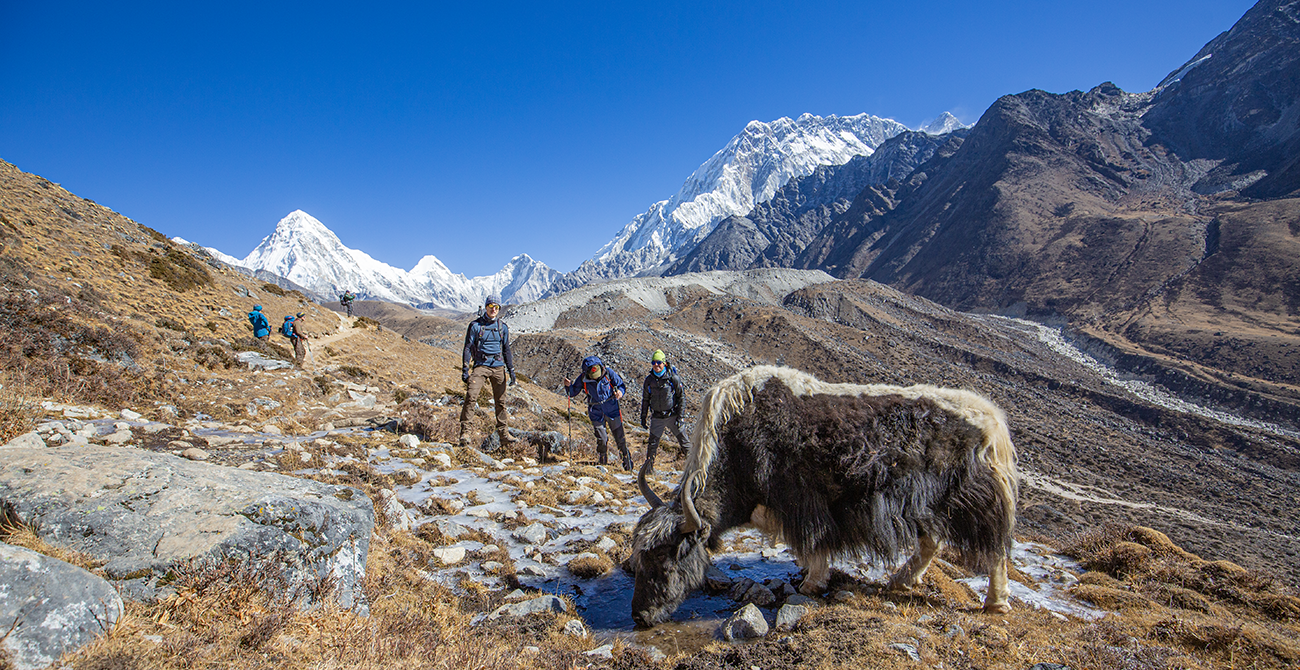
After breakfast, continue your ascent through the rugged alpine landscape of the upper Khumbu Valley. The trail gradually climbs to Dughla (Thukla), where you'll stop for lunch before tackling the steep ascent to the Thukla Pass. At the top, visit the moving memorial site dedicated to climbers and Sherpas who lost their lives on Mount Everest, offering a moment of reflection amid the dramatic mountain scenery. From here, the trail follows the edge of the Khumbu Glacier toward Lobuche, surrounded by towering Himalayan peaks and glacial moraines. As you gain altitude, the air becomes thinner, making a slow, steady pace essential. Upon arrival, settle into your teahouse and enjoy a warm meal while preparing for tomorrow's exciting journey to Everest Base Camp.
Day 9
Sat, Oct 17, 2026
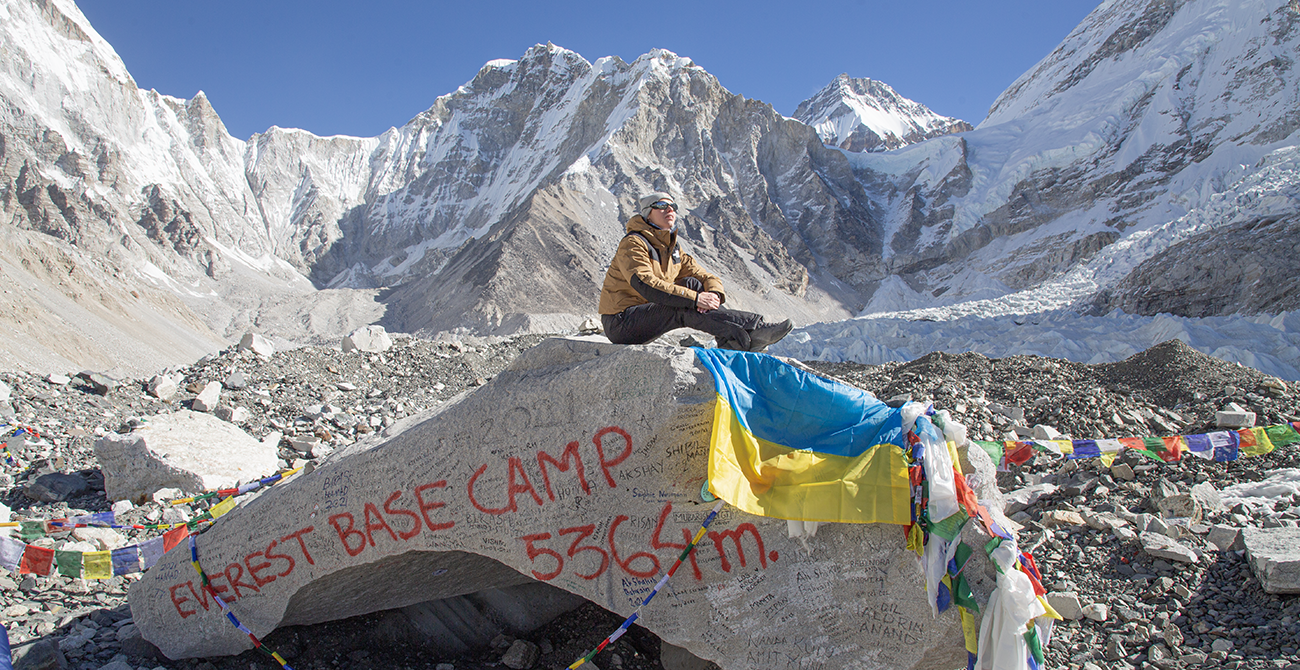
Trek to Gorak Shep (5,164m), Visit Everest Base Camp (5,364m), Return to Gorak Shep
Today marks the highlight of your Everest adventure. After an early breakfast, trek alongside the Khumbu Glacier to Gorak Shep, the final settlement before Everest Base Camp. After a short rest and lunch, continue across rocky glacial terrain to reach the legendary Everest Base Camp at 5,364 meters. During the spring climbing season, colorful expedition tents create an unforgettable atmosphere as mountaineers prepare to summit Everest. Capture photographs, celebrate your achievement, and admire the dramatic Khumbu Icefall before retracing your steps to Gorak Shep. Although Mount Everest itself is partially hidden from Base Camp, standing at the foot of the world's highest mountain is an extraordinary accomplishment that few people experience.
Day 10
Sun, Oct 18, 2026
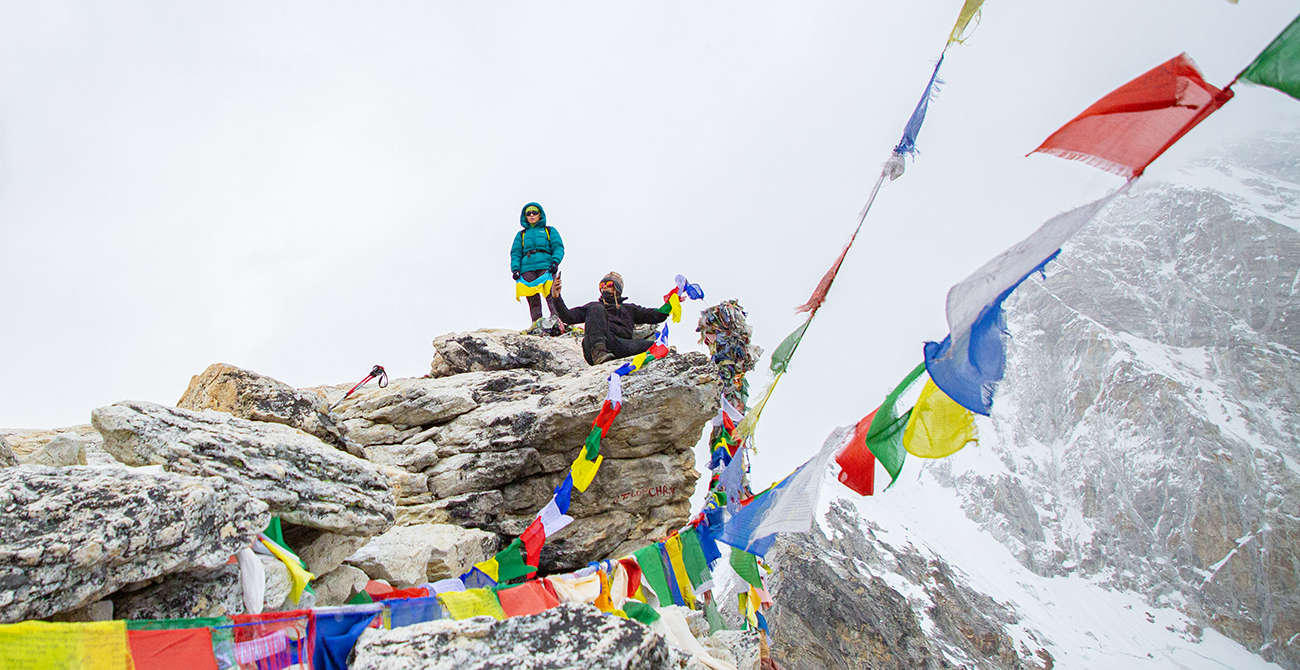
Sunrise at Kala Patthar (5,545m) – Trek to Pheriche (4,240m)
Today marks the highlight of your Everest adventure. After an early breakfast, trek alongside the Khumbu Glacier to Gorak Shep, the final settlement before Everest Base Camp. After a short rest and lunch, continue across rocky glacial terrain to reach the legendary Everest Base Camp at 5,364 meters. During the spring climbing season, colorful expedition tents create an unforgettable atmosphere as mountaineers prepare to summit Everest. Capture photographs, celebrate your achievement, and admire the dramatic Khumbu Icefall before retracing your steps to Gorak Shep. Although Mount Everest itself is partially hidden from Base Camp, standing at the foot of the world's highest mountain is an extraordinary accomplishment that few people experience.
Day 11
Mon, Oct 19, 2026
Trek to Namche Bazaar (3,440m)
Today's descent takes you through familiar villages while offering a fresh perspective of the magnificent Himalayan landscapes. Retrace your steps through Pangboche and Debuche before arriving once again at Tengboche Monastery. After a short break, descend to the Dudh Koshi River and cross the suspension bridge before making the final climb back to Namche Bazaar. As oxygen levels increase, most trekkers notice a significant improvement in energy and comfort. Spend the evening celebrating your successful journey with fellow trekkers at one of Namche's cozy cafés or bakeries while reflecting on your unforgettable Everest Base Camp adventure.
Day 12
Tue, Oct 20, 2026
Trek to Lukla (2,860m)
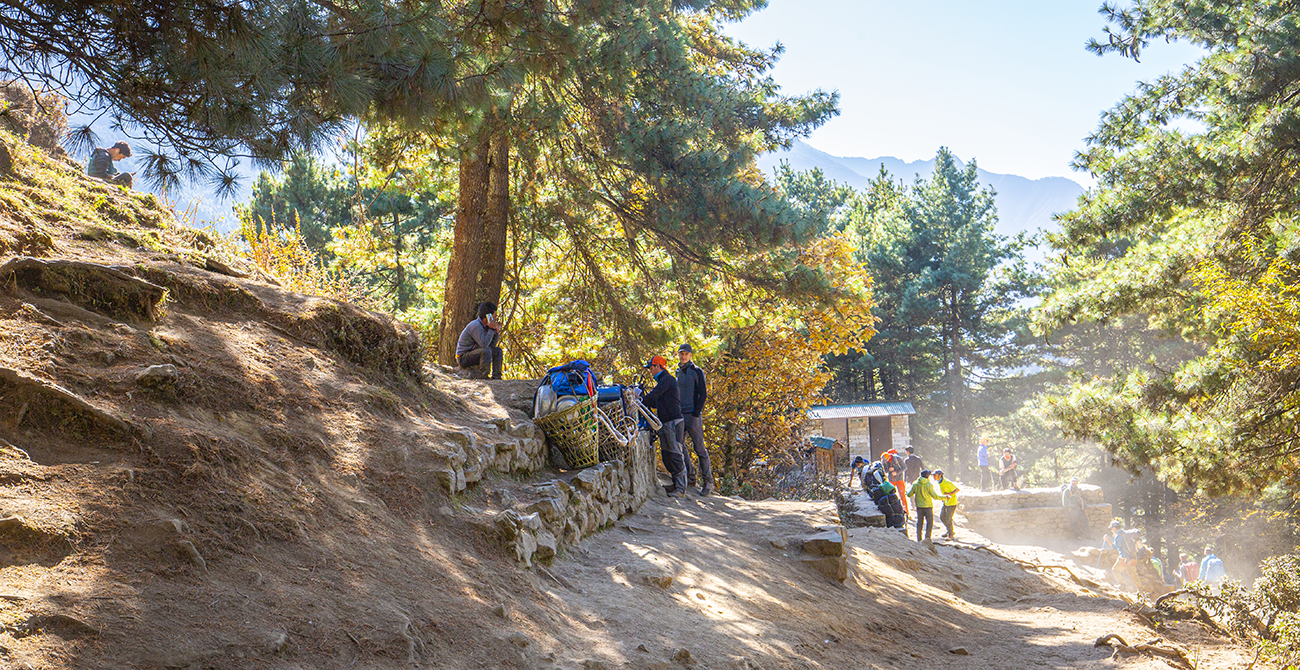
Your final day on the trail follows the Dudh Koshi River through forests, traditional Sherpa villages, and cultivated farmland before returning to Lukla. Cross the familiar suspension bridges and pass through Monjo and Phakding, enjoying the last views of the Himalayan valleys that have accompanied you throughout the journey. Although mostly downhill, several short uphill sections provide a final trekking challenge before reaching Lukla. Upon arrival, celebrate the successful completion of your Everest Base Camp Trek with your guide and porters, whose dedication and support have made this remarkable adventure possible. Overnight in Lukla.
Day 13
Wed, Oct 21, 2026
Fly to Kathmandu – Departure
Weather permitting, board an early morning flight from Lukla back to Kathmandu, enjoying one last aerial view of the spectacular Himalayas. Upon arrival, a representative from Himalayan Shangrila will transfer you to your hotel. The remainder of the day is free to relax, explore Kathmandu's UNESCO World Heritage Sites, or shop for souvenirs in the vibrant streets of Thamel. Depending on your international flight schedule, you may depart Nepal today or extend your stay to discover more of the country's rich cultural and natural attractions. Himalayan Shangrila is happy to assist with additional tours or travel arrangements upon request.
COST DETAILS
What is Included
Not Included
Book Your Tour
Complete your details below for the Oct 09, 2026 departure. Our team will verify guide availability and contact you with booking confirmation details.
TRIP HIGHLIGHTS
Trek to Everest Base Camp (5,364 m), the base of the world's highest mountain.
Enjoy spectacular views of Everest, Lhotse, Nuptse, and Ama Dablam.
Experience authentic Sherpa culture and visit the iconic Tengboche Monastery.
Hike to Kala Patthar (5,545 m) for the best panoramic sunrise views of Mount Everest.
PRETRIP ESSENTIALS
HEALTH & SAFETY
Before traveling to Nepal, it is recommended to consult your doctor regarding your general health and fitness for high-altitude trekking. While no specific vaccinations are required for most travelers, staying up to date with routine immunizations and seeking personalized medical advice is recommended. Carry a personal first-aid kit with any essential medications, as healthcare facilities become increasingly limited at higher elevations in the Everest region. If you wear prescription glasses or take regular medication, bring sufficient supplies for the entire trek. Maintaining good physical fitness, staying hydrated, eating nutritious meals, and following your guide's advice will help ensure a safe and enjoyable journey.
ALTITUDE & ACCLIMATIZATION
The Everest Base Camp Trek reaches 5,364 meters (17,598 ft) at Everest Base Camp, with the trek's highest point at Kala Patthar (5,545 meters / 18,192 ft). Proper acclimatization is essential to reduce the risk of Acute Mountain Sickness (AMS). Symptoms such as headache, dizziness, fatigue, nausea, and difficulty sleeping can occur above 2,500 meters. Our itinerary includes carefully planned acclimatization days in Namche Bazaar and Dingboche, allowing your body to adapt gradually to the increasing altitude. Drink 3–4 liters of water each day, maintain a steady walking pace, avoid alcohol, and communicate immediately with your guide if you experience any symptoms. If symptoms become severe, descending to a lower altitude is the safest and most effective treatment.
WEATHER & TRAIL CONDITIONS
Weather in the Everest region varies significantly with altitude and season. Lower elevations around Lukla and Namche Bazaar are generally mild, while higher areas such as Lobuche, Gorak Shep, and Kala Patthar experience much colder temperatures, particularly at night and in the early morning. Mountain weather can change rapidly, with occasional snowfall, strong winds, or reduced visibility even during the main trekking seasons. Dressing in layers allows you to adjust comfortably to changing conditions throughout the trek.
PACKING
Pack lightweight but warm clothing suitable for high-altitude conditions, including thermal base layers, a down jacket, trekking pants, gloves, a warm hat, and waterproof outer layers. Sturdy, well-broken-in trekking boots are essential, along with comfortable footwear for evenings at the teahouses. A warm sleeping bag rated for sub-zero temperatures is highly recommended. Since electricity is limited and charging devices usually incurs an additional fee, carrying a power bank is advisable. Porter luggage is generally limited to 15 kg (33 lbs) per person, so pack efficiently.
DAYPACK ESSENTIALS
Carry a comfortable daypack containing your daily necessities, including a reusable water bottle or hydration bladder, sunscreen, lip balm, sunglasses, snacks, a camera, rain gear, gloves, and an extra warm layer. Personal medications, passports, permits, valuables, and travel documents should always remain with you. A lightweight, well-organized daypack will make your daily hikes more comfortable and enjoyable.
FLIGHT TO LUKLA
Flights between Kathmandu (or Ramechhap during peak seasons) and Lukla are highly weather-dependent. Delays or cancellations due to poor visibility are not uncommon, so we recommend keeping at least one extra day in your travel schedule after the trek. Our team will assist with any necessary flight arrangements or itinerary adjustments should weather conditions affect your travel plans.
EMERGENCY SUPPORT
Your safety is our highest priority throughout the trek. Our experienced guides are trained in first aid, altitude awareness, and emergency response, and they carry a basic medical kit at all times. Comprehensive travel insurance that covers high-altitude trekking up to 6,000 meters and emergency helicopter evacuation is mandatory for all participants. In the event of illness, injury, or altitude-related complications, emergency evacuation can be arranged as quickly as weather conditions permit.
Tour FAQs
The trek is considered moderately challenging. No technical climbing experience is required, but good physical fitness and regular hiking preparation are highly recommended.
Kala Patthar (5,545m) is the highest point and offers the best panoramic view of Mount Everest.
Previous trekking experience is helpful but not essential. Many first-time trekkers successfully complete the Everest Base Camp Trek with proper preparation.
Kala Patthar (5,545 m) is the highest point, while Everest Base Camp is located at 5,364 m.
Spring (March–May) and autumn (September–November) provide the most stable weather, clear mountain views, and comfortable trekking conditions.
YTrekkers need the Sagarmatha National Park Entry Permit and the Khumbu Pasang Lhamu Rural Municipality Permit, both included in our package.
Altitude affects everyone differently. Our carefully planned itinerary includes two acclimatization days to minimize the risk.
Yes, Wi-Fi is available in many teahouses for an additional fee, although the connection may be slow at higher elevations.
Yes. Most teahouses provide charging facilities for a small fee.
Twin-sharing mountain teahouses with basic but comfortable facilities are provided throughout the trek.
Yes, hot showers are available in most villages for an additional charge.
Himalayan Shangrila combines experienced local guides, carefully designed itineraries, excellent safety standards, quality service, and genuine Himalayan hospitality to provide an unforgettable Everest trekking experience.
Tour Guide
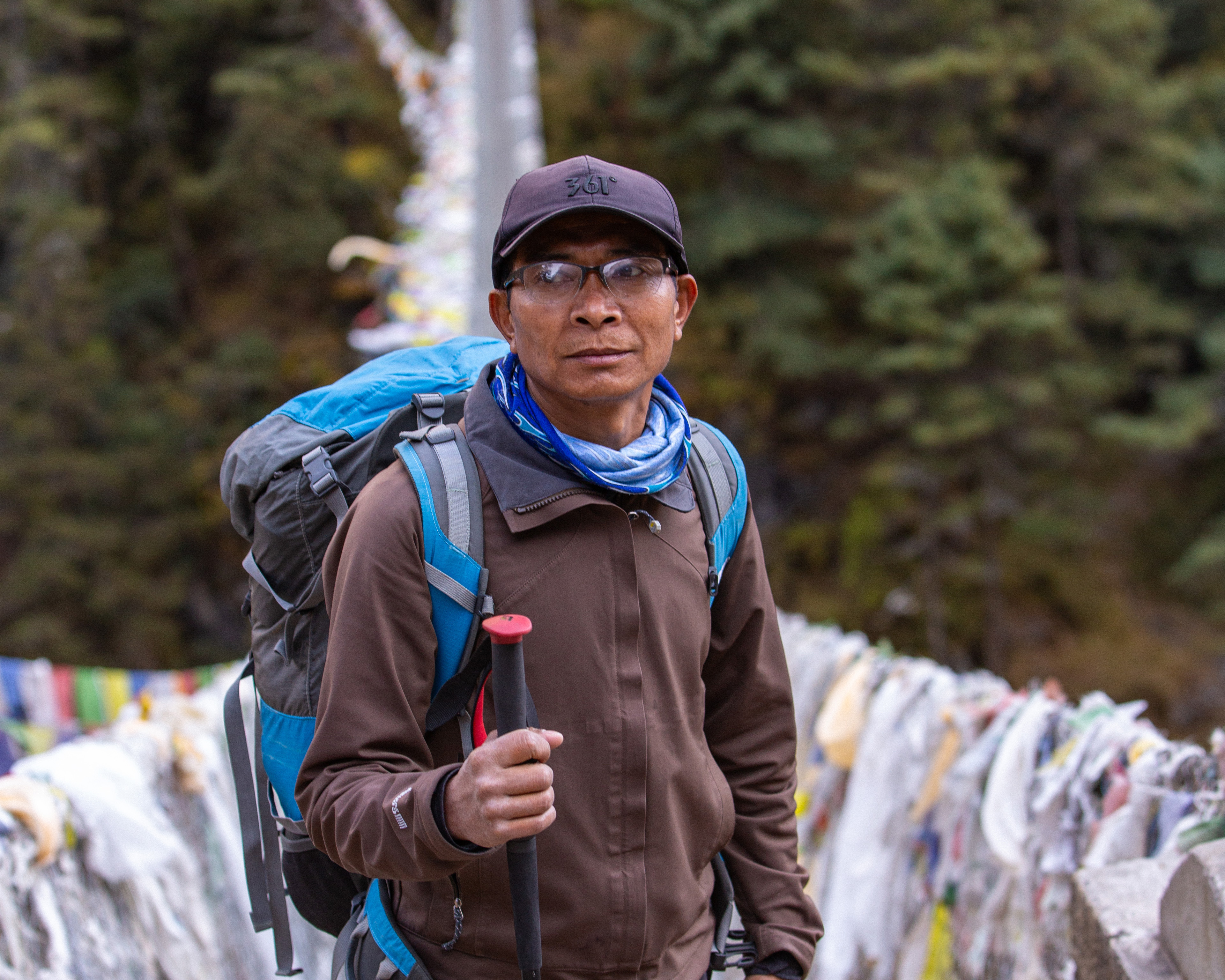
Gyan Tamang
Lead Alpine Instructor & Nepal Specialist
Gyan Tamang is a highly experienced Lead Alpine Instructor and Nepal Specialist with a deep passion for the Himalayas. With years of guiding trekkers and climbers across Nepal’s iconic mountain regions, he combines expert technical skills with extensive local knowledge. Dedicated to safety, professionalism, and creating unforgettable adventures, Gyan helps travelers confidently explore Nepal’s breathtaking landscapes while sharing the rich culture, traditions, and hospitality of the mountain communities.