Everest Base Camp Trek
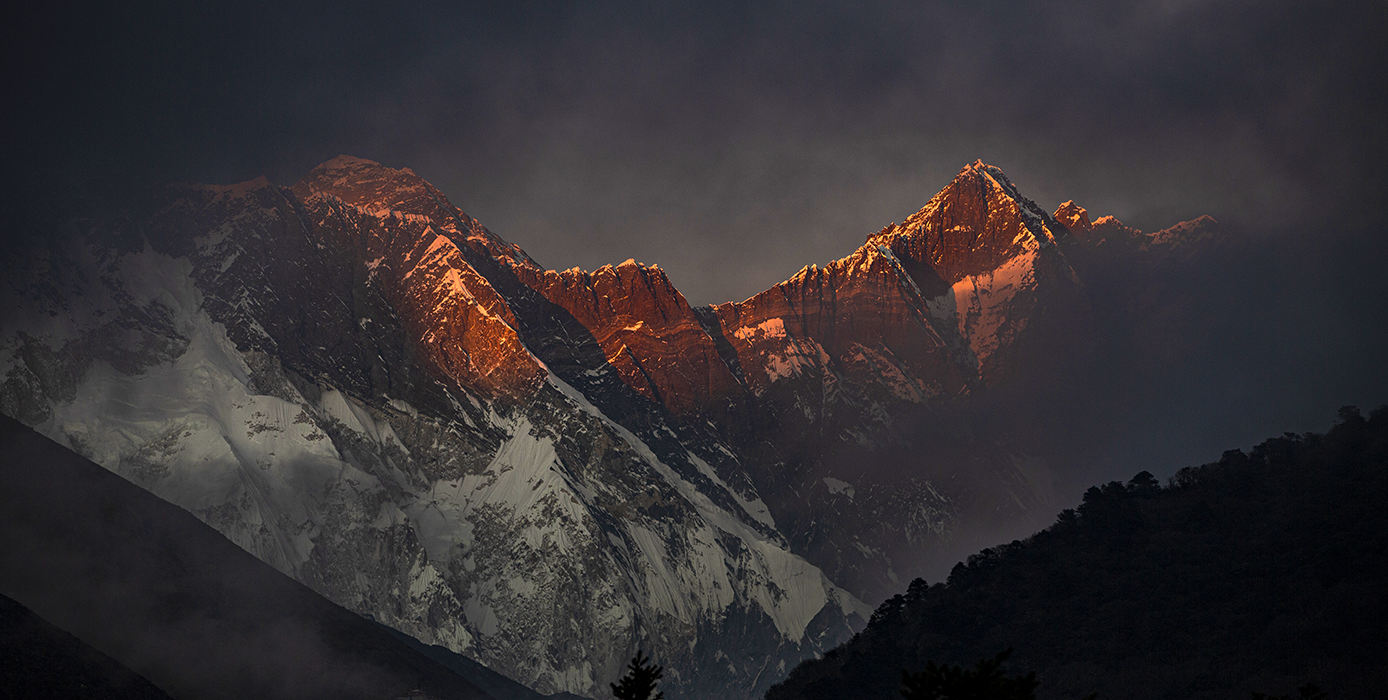
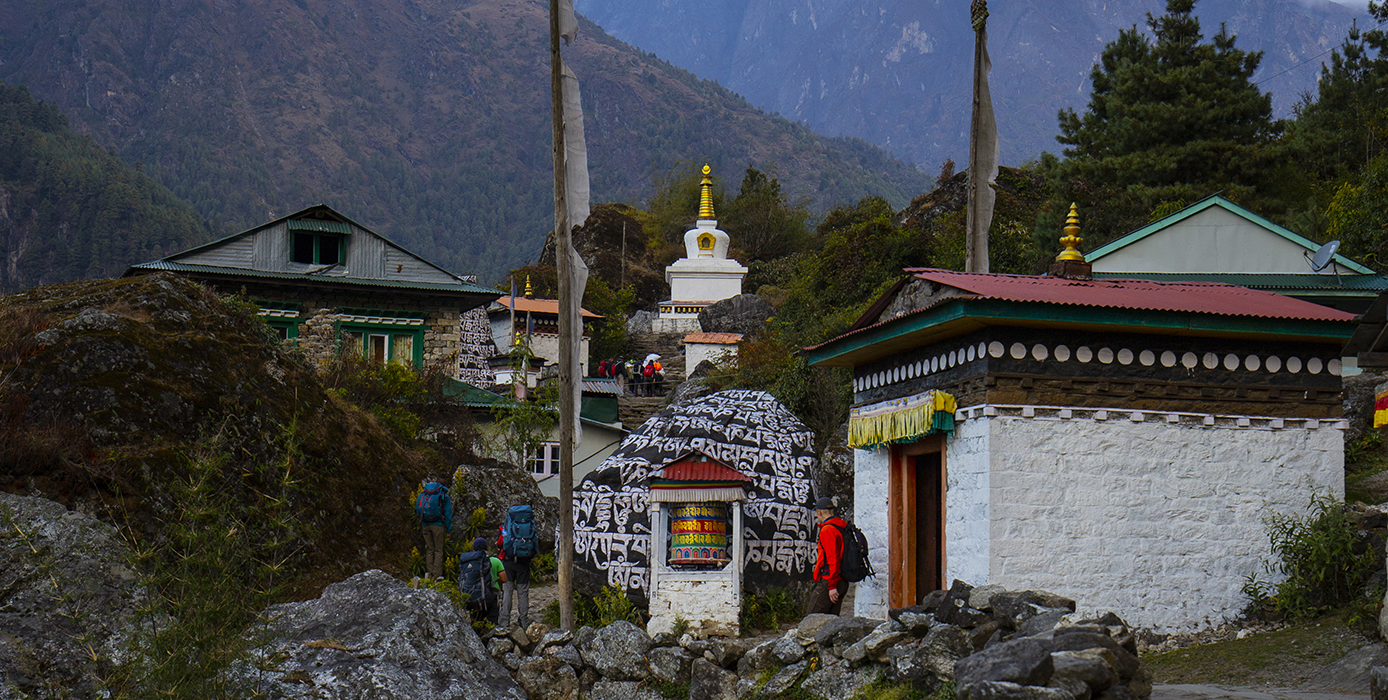
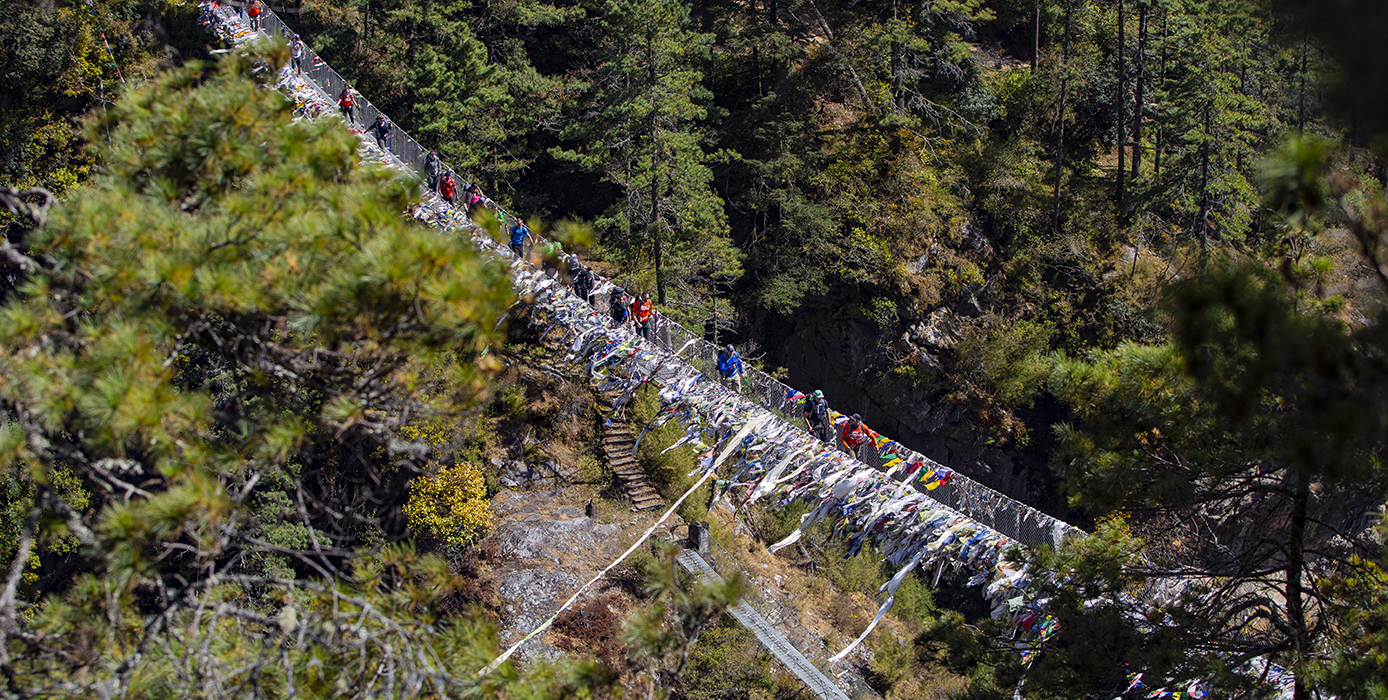
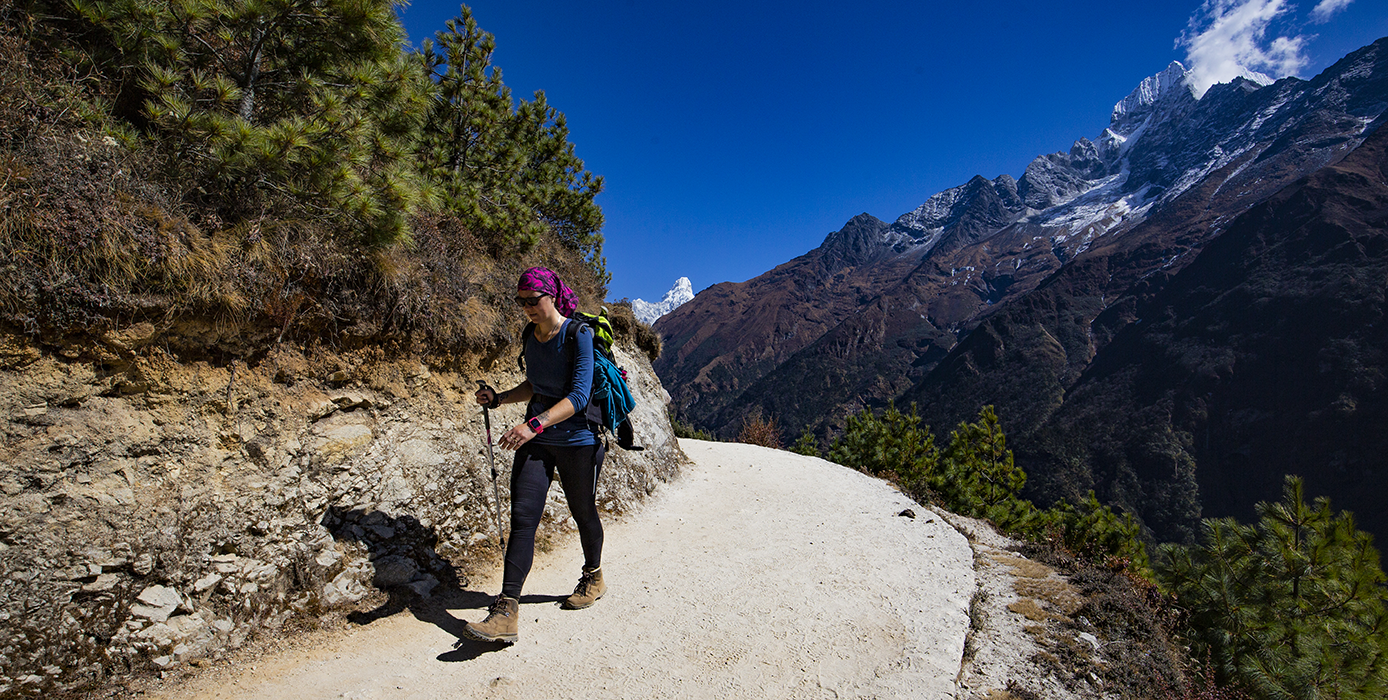
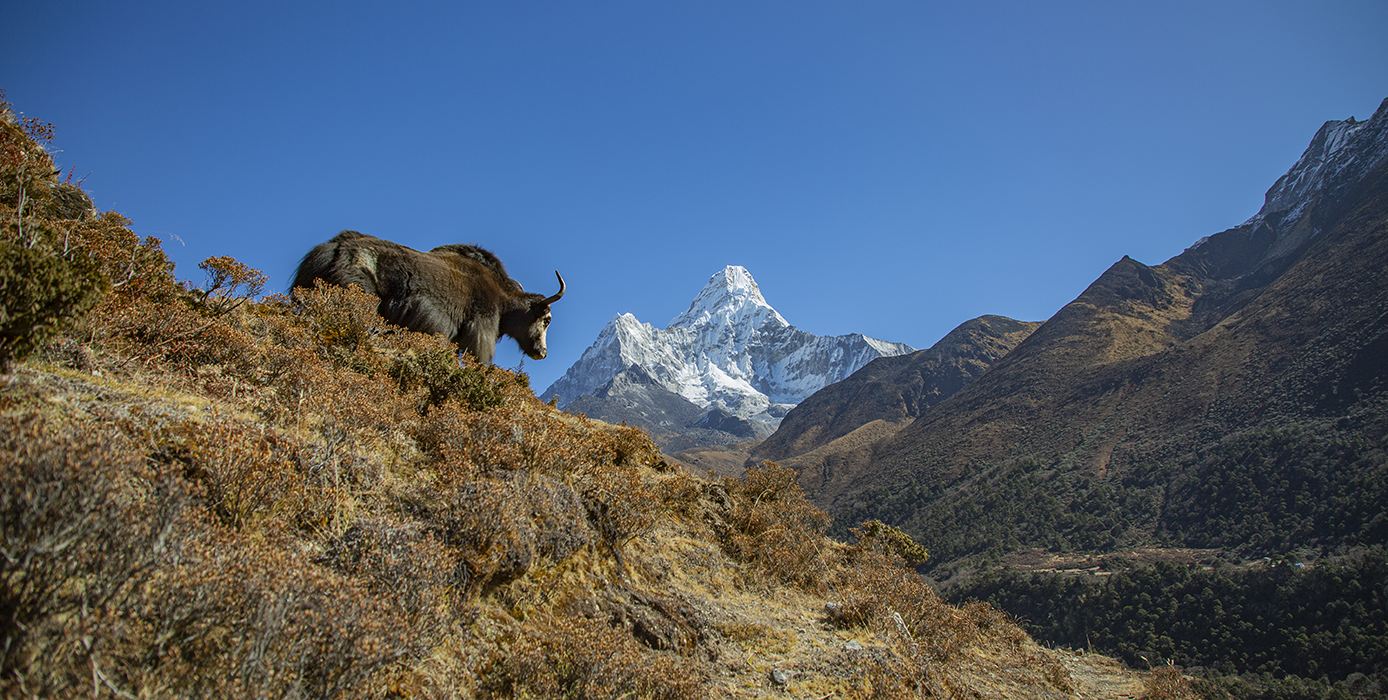
The Everest Base Camp Trek is Nepal’s iconic Himalayan adventure, taking you through the stunning Khumbu region to the base of Mount Everest (8,848.86m). This 13-day journey combines spectacular mountain scenery, Sherpa culture, ancient monasteries, and well-planned acclimatization. Starting with a scenic flight to Lukla, the trail passes through charming villages, rhododendron forests, glacial valleys, and high alpine landscapes before reaching Everest Base Camp at 5,364m. A sunrise hike to Kala Patthar (5,545m) offers breathtaking views of Everest, Lhotse, Nuptse, and Ama Dablam, creating an unforgettable Himalayan experience.
TOUR ITINERARY
A day-by-day breakdown of your journey through Everest Base Camp Trek.
Day 1
Fri, Oct 09, 2026
Arrival in Kathmandu (1,400m)
Day 2
Sat, Oct 10, 2026
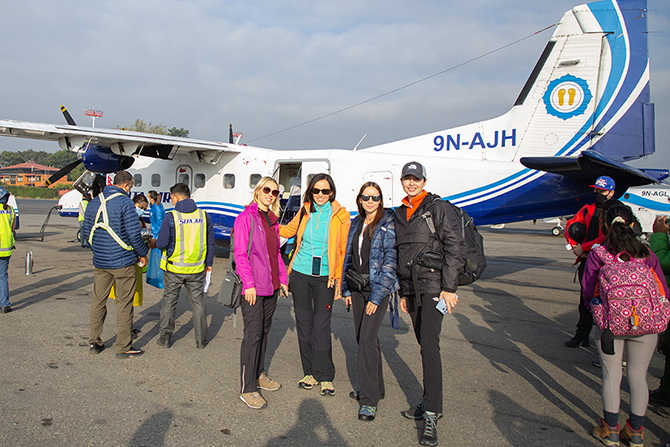
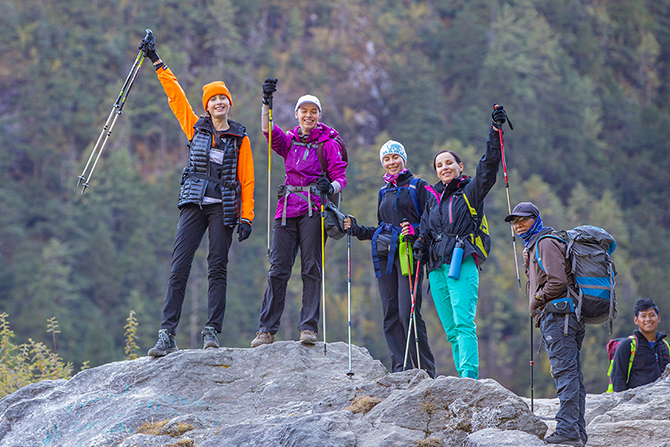
Fly to Lukla (2,860m) – Trek to Phakding (2,610m)
Day 3
Sun, Oct 11, 2026
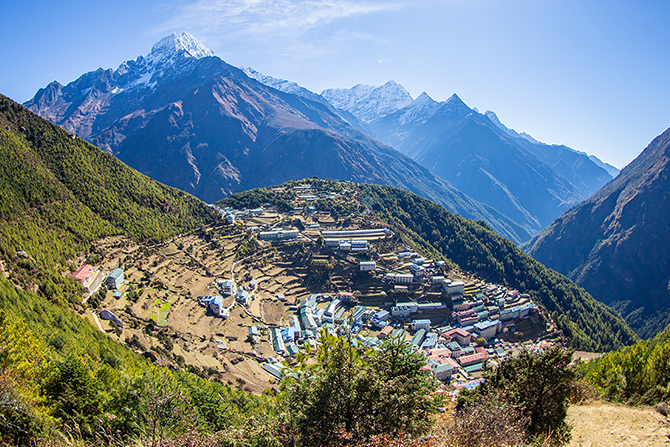
Trek to Namche Bazaar (3,440m)
Day 4
Mon, Oct 12, 2026
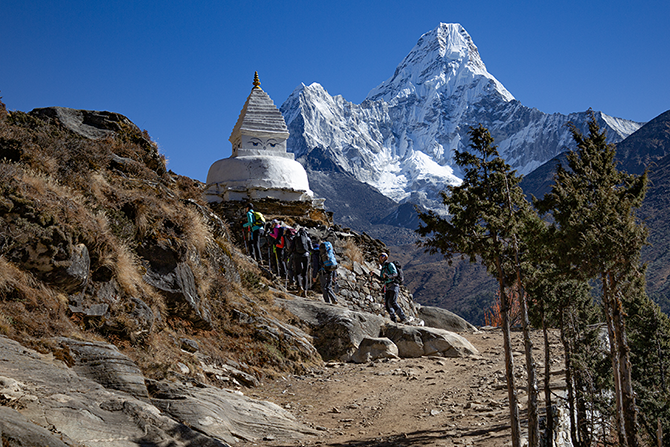
Acclimatization Day in Namche Bazaar
Day 5
Tue, Oct 13, 2026
Trek to Tengboche (3,860m)
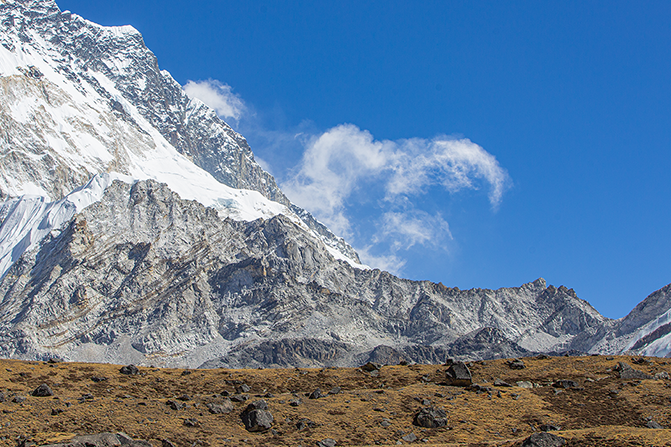
Day 6
Wed, Oct 14, 2026
Trek to Dingboche (4,410m)
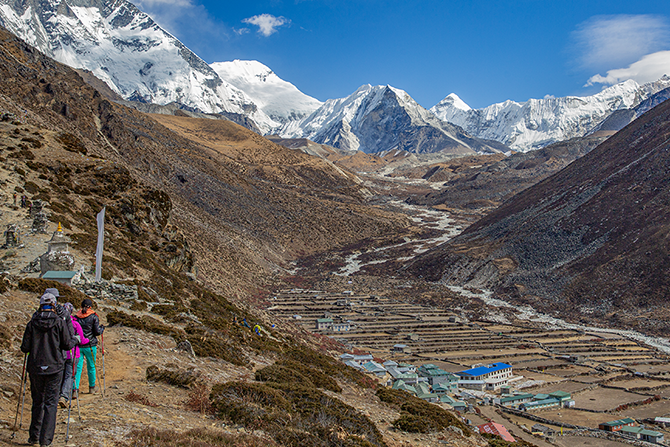
Day 7
Thu, Oct 15, 2026
Acclimatization Day at Dingboche
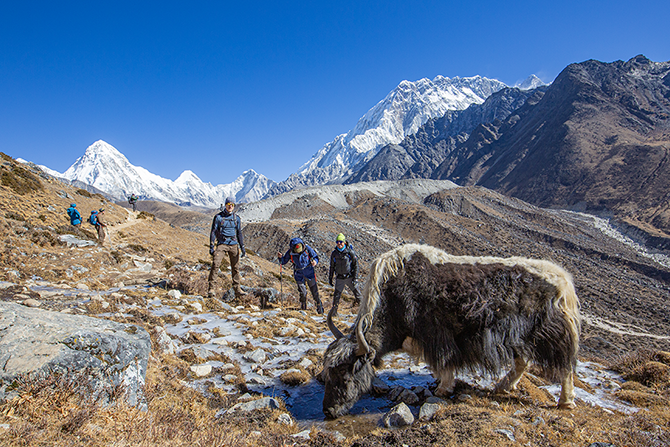
Day 8
Fri, Oct 16, 2026
Trek to Lobuche (4,940m)
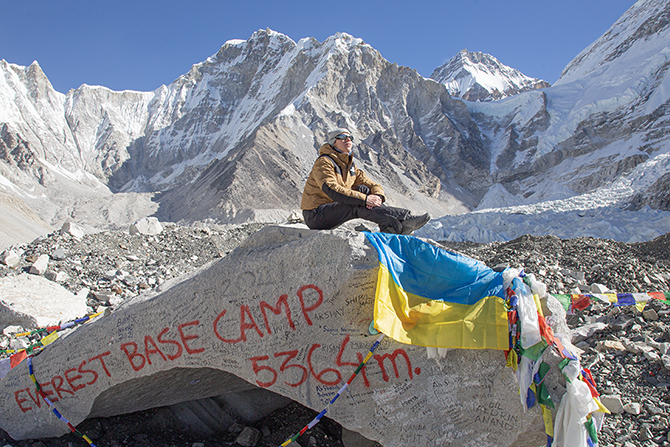
Day 9
Sat, Oct 17, 2026
Trek to Gorak Shep (5,164m), Visit Everest Base Camp (5,364m), Return to Gorak Shep
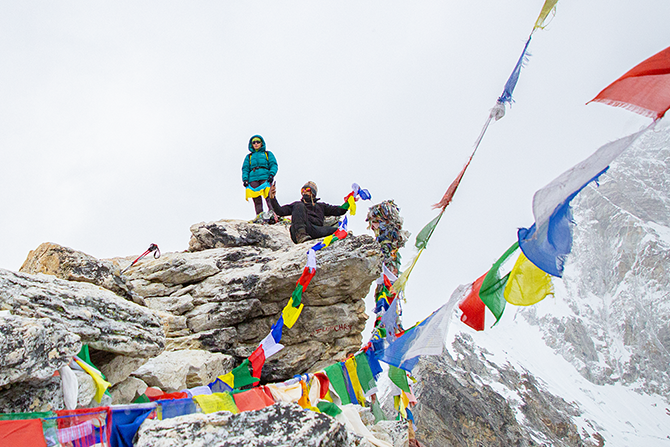
Day 10
Sun, Oct 18, 2026
Sunrise at Kala Patthar (5,545m) – Trek to Pheriche (4,240m)
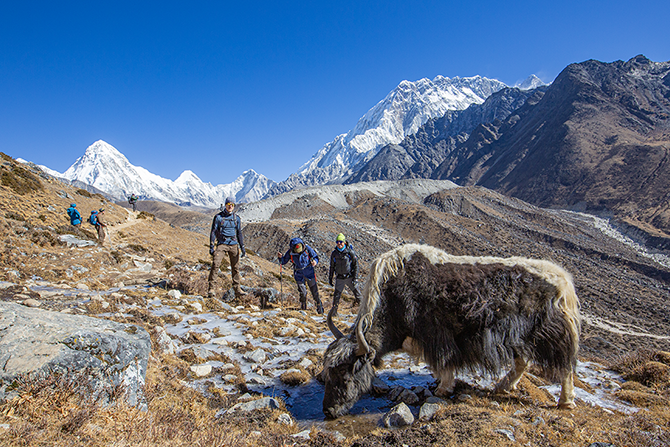
Day 11
Mon, Oct 19, 2026
Trek to Namche Bazaar (3,440m)
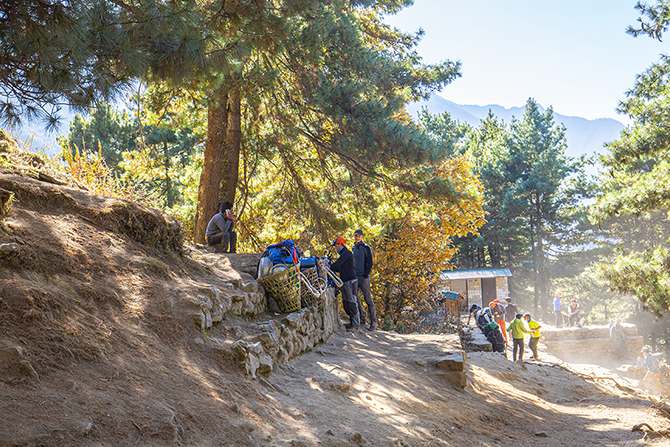
Day 12
Tue, Oct 20, 2026
Trek to Lukla (2,860m)
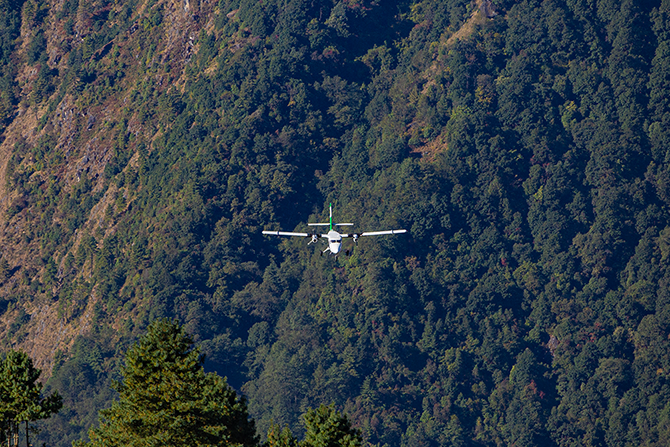
Day 13
Wed, Oct 21, 2026
Fly to Kathmandu – Departure
COST DETAILS
What is Included
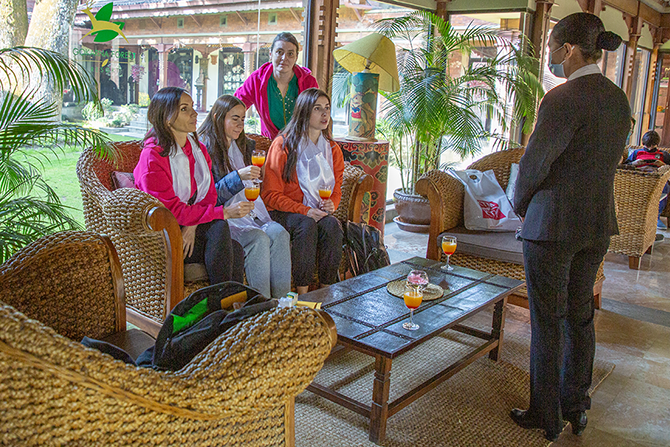
3-star hotel accommodation in Kathmandu (2 nights) on a Bed & Breakfast basis
Teahouse accommodation throughout the Everest Base Camp trek
English-speaking, experienced trekking guide
Porter service (1 porter for 2 trekkers)
Sagarmatha National Park Entry Permit
Khumbu Pasang Lhamu Rural Municipality Permit
Domestic flights between Kathmandu/Ramechhap and Lukla, subject to seasonal flight operations
Airport and hotel transfers in Kathmandu
Staff insurance and basic first aid support
Two acclimatization days at Namche Bazaar and Dingboche
Everest Base Camp and Kala Patthar trekking itinerary as outlined
Trek completion certificate
Not Included
International airfare to and from Nepal
Nepal visa fees
Travel insurance, including high-altitude trekking and emergency helicopter evacuation coverage (mandatory)
Meals of any kind during trekking days
Personal trekking gear and equipment
Personal expenses, snacks, soft drinks, alcoholic beverages, and bottled drinks
Wi-Fi/internet charges during the trek
Hot shower and electronic device charging fees where applicable
Personal medication and medical expenses
Emergency helicopter evacuation and rescue costs
Tips and gratuities for guides, porters, and other trekking staff
Additional accommodation, meals, transportation, or other expenses caused by flight delays, cancellations, bad weather, or unforeseen circumstances
Any services or expenses not specifically mentioned under Cost Includes
Trek to Everest Base Camp (5,364 m), the base of the world's highest mountain.
Enjoy spectacular views of Everest, Lhotse, Nuptse, and Ama Dablam.
Experience authentic Sherpa culture and visit the iconic Tengboche Monastery.
Hike to Kala Patthar (5,545 m) for the best panoramic sunrise views of Mount Everest.
Book Your Trek
Complete your details below for the Oct 09, 2026 departure. Our team will verify guide availability and contact you with booking confirmation details.
HEALTH & SAFETY
Before traveling to Nepal, it is recommended to consult your doctor regarding your general health and fitness for high-altitude trekking. While no specific vaccinations are required for most travelers, staying up to date with routine immunizations and seeking personalized medical advice is recommended. Carry a personal first-aid kit with any essential medications, as healthcare facilities become increasingly limited at higher elevations in the Everest region. If you wear prescription glasses or take regular medication, bring sufficient supplies for the entire trek. Maintaining good physical fitness, staying hydrated, eating nutritious meals, and following your guide's advice will help ensure a safe and enjoyable journey.
ALTITUDE & ACCLIMATIZATION
The Everest Base Camp Trek reaches 5,364 meters (17,598 ft) at Everest Base Camp, with the trek's highest point at Kala Patthar (5,545 meters / 18,192 ft). Proper acclimatization is essential to reduce the risk of Acute Mountain Sickness (AMS). Symptoms such as headache, dizziness, fatigue, nausea, and difficulty sleeping can occur above 2,500 meters. Our itinerary includes carefully planned acclimatization days in Namche Bazaar and Dingboche, allowing your body to adapt gradually to the increasing altitude. Drink 3–4 liters of water each day, maintain a steady walking pace, avoid alcohol, and communicate immediately with your guide if you experience any symptoms. If symptoms become severe, descending to a lower altitude is the safest and most effective treatment.
WEATHER & TRAIL CONDITIONS
Weather in the Everest region varies significantly with altitude and season. Lower elevations around Lukla and Namche Bazaar are generally mild, while higher areas such as Lobuche, Gorak Shep, and Kala Patthar experience much colder temperatures, particularly at night and in the early morning. Mountain weather can change rapidly, with occasional snowfall, strong winds, or reduced visibility even during the main trekking seasons. Dressing in layers allows you to adjust comfortably to changing conditions throughout the trek.
PACKING
Pack lightweight but warm clothing suitable for high-altitude conditions, including thermal base layers, a down jacket, trekking pants, gloves, a warm hat, and waterproof outer layers. Sturdy, well-broken-in trekking boots are essential, along with comfortable footwear for evenings at the teahouses. A warm sleeping bag rated for sub-zero temperatures is highly recommended. Since electricity is limited and charging devices usually incurs an additional fee, carrying a power bank is advisable. Porter luggage is generally limited to 15 kg (33 lbs) per person, so pack efficiently.
DAYPACK ESSENTIALS
Carry a comfortable daypack containing your daily necessities, including a reusable water bottle or hydration bladder, sunscreen, lip balm, sunglasses, snacks, a camera, rain gear, gloves, and an extra warm layer. Personal medications, passports, permits, valuables, and travel documents should always remain with you. A lightweight, well-organized daypack will make your daily hikes more comfortable and enjoyable.
FLIGHT TO LUKLA
Flights between Kathmandu (or Ramechhap during peak seasons) and Lukla are highly weather-dependent. Delays or cancellations due to poor visibility are not uncommon, so we recommend keeping at least one extra day in your travel schedule after the trek. Our team will assist with any necessary flight arrangements or itinerary adjustments should weather conditions affect your travel plans.
EMERGENCY SUPPORT
Your safety is our highest priority throughout the trek. Our experienced guides are trained in first aid, altitude awareness, and emergency response, and they carry a basic medical kit at all times. Comprehensive travel insurance that covers high-altitude trekking up to 6,000 meters and emergency helicopter evacuation is mandatory for all participants. In the event of illness, injury, or altitude-related complications, emergency evacuation can be arranged as quickly as weather conditions permit.
Trek FAQs
The trek is considered moderately challenging. No technical climbing experience is required, but good physical fitness and regular hiking preparation are highly recommended.
Kala Patthar (5,545m) is the highest point and offers the best panoramic view of Mount Everest.
Previous trekking experience is helpful but not essential. Many first-time trekkers successfully complete the Everest Base Camp Trek with proper preparation.
Kala Patthar (5,545 m) is the highest point, while Everest Base Camp is located at 5,364 m.
Spring (March–May) and autumn (September–November) provide the most stable weather, clear mountain views, and comfortable trekking conditions.
YTrekkers need the Sagarmatha National Park Entry Permit and the Khumbu Pasang Lhamu Rural Municipality Permit, both included in our package.
Altitude affects everyone differently. Our carefully planned itinerary includes two acclimatization days to minimize the risk.
Yes, Wi-Fi is available in many teahouses for an additional fee, although the connection may be slow at higher elevations.
Yes. Most teahouses provide charging facilities for a small fee.
Twin-sharing mountain teahouses with basic but comfortable facilities are provided throughout the trek.
Yes, hot showers are available in most villages for an additional charge.
Himalayan Shangrila combines experienced local guides, carefully designed itineraries, excellent safety standards, quality service, and genuine Himalayan hospitality to provide an unforgettable Everest trekking experience.
Your's Guide
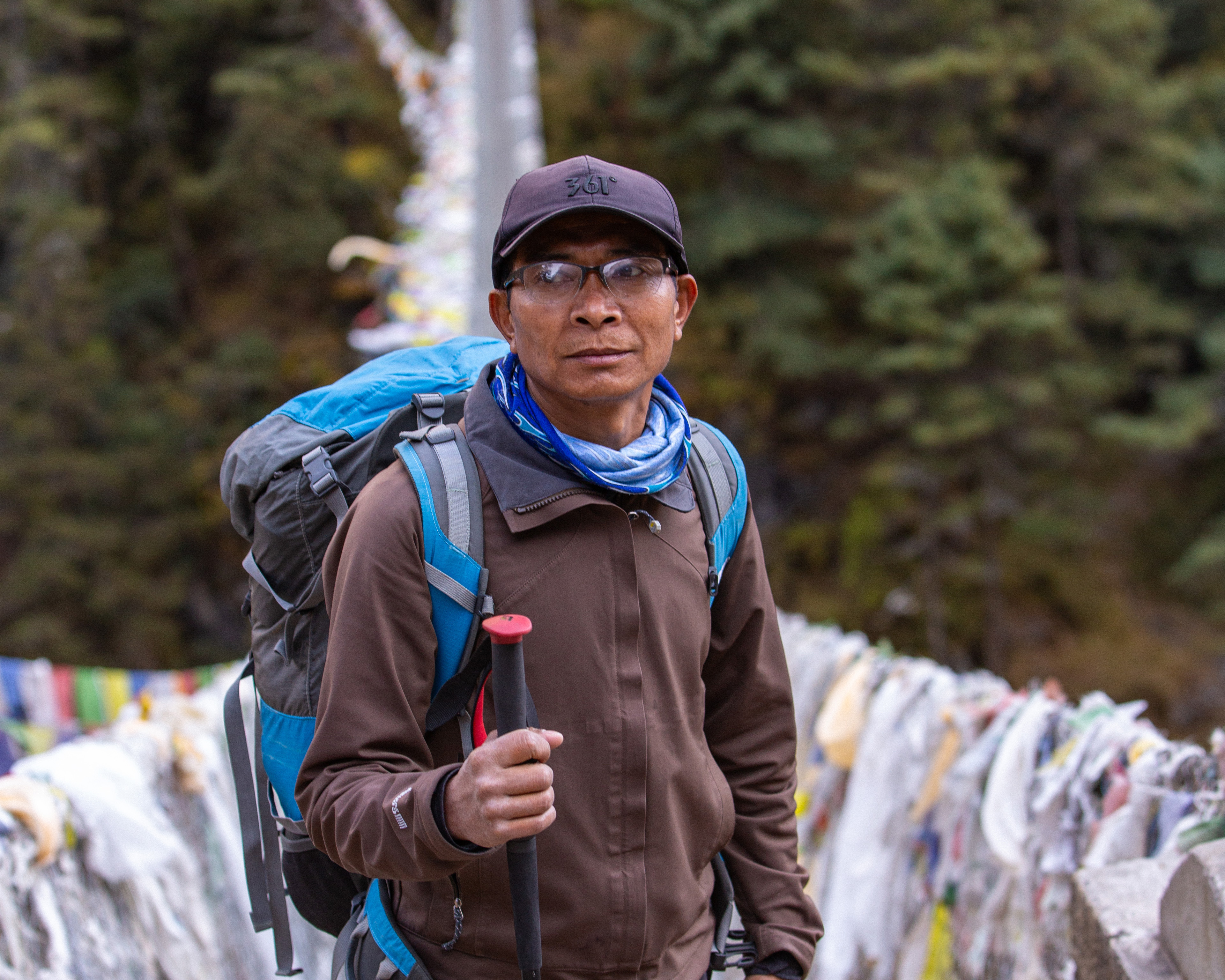
Gyan Tamang
Lead Alpine Instructor & Nepal Specialist
Gyan Tamang is a highly experienced Lead Alpine Instructor and Nepal Specialist with a deep passion for the Himalayas. With years of guiding trekkers and climbers across Nepal’s iconic mountain regions, he combines expert technical skills with extensive local knowledge. Dedicated to safety, professionalism, and creating unforgettable adventures, Gyan helps travelers confidently explore Nepal’s breathtaking landscapes while sharing the rich culture, traditions, and hospitality of the mountain communities.
We're Associated With